- DAM basics
Who actually needs a DAM, and what are the benefits?
Today, photos, videos, construction plans and so on form the core of every …

Archive post from 13 May 2024. It describes the state at that time.
In this blog post, we would like to explain why the sustainable management of digital media content is so important. To do so, we cover the following topics:
What is a digital asset?
What is digital asset management?
What does a digital asset management system (DAM) do?
What are the benefits of a DAM solution?
Who uses DAM solutions?
Digital asset management (DAM): a guide
Today, when digital content in the form of photos, videos, construction plans and so on forms the core of every company, it is crucial to manage this content efficiently and, above all, securely. In many industries, it accounts for a large part of a company's value and should therefore be kept particularly safe. Digital asset management (DAM) is the key component here – an indispensable solution for companies and creatives alike.
What is a digital asset?
A digital asset is a digital good that has tangible or intangible value and can be stored and transmitted electronically. Digital assets typically cover a wide range of file formats, including media content (images, videos, audio), documents, design files, data sets and digital artworks.
What is digital asset management?
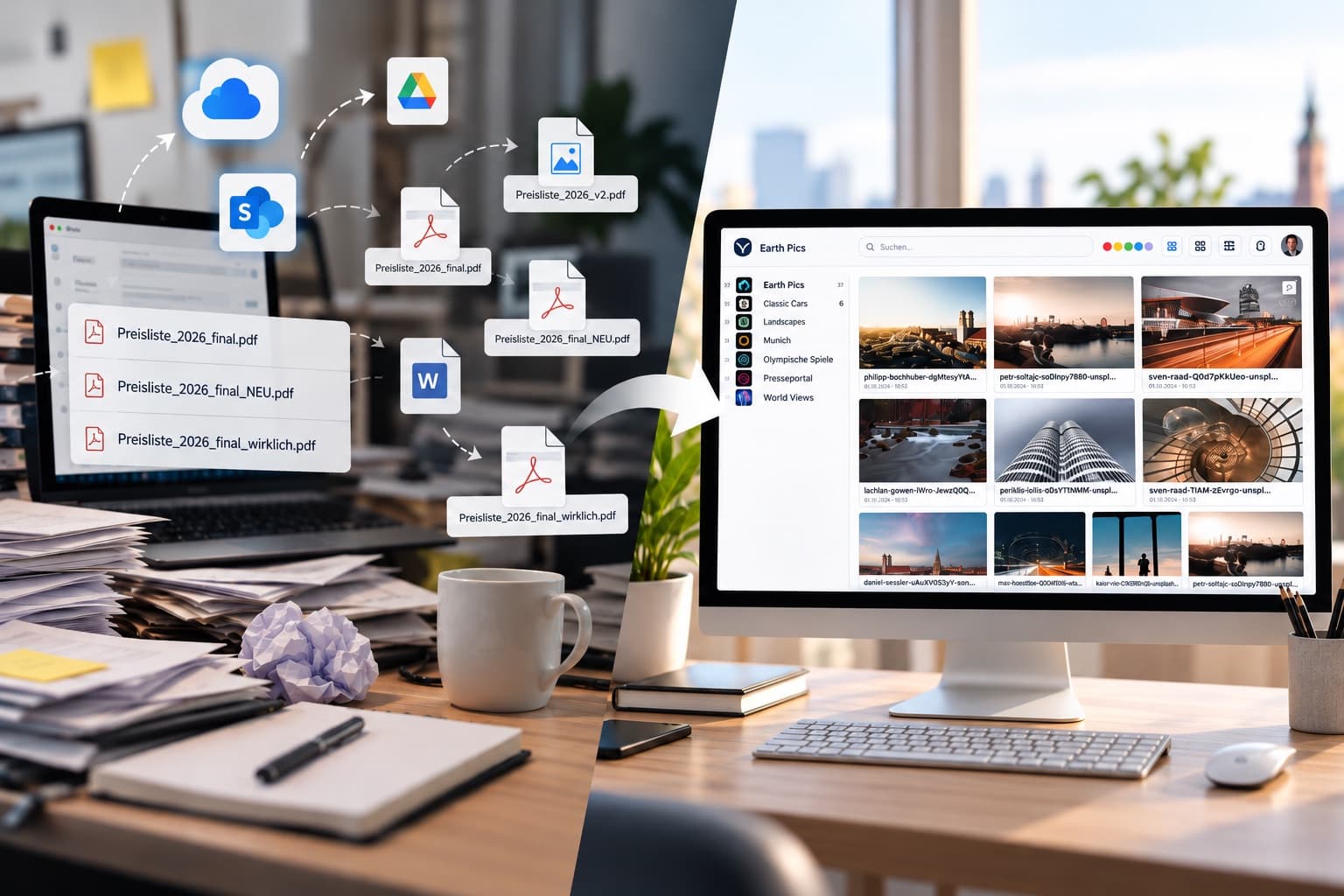
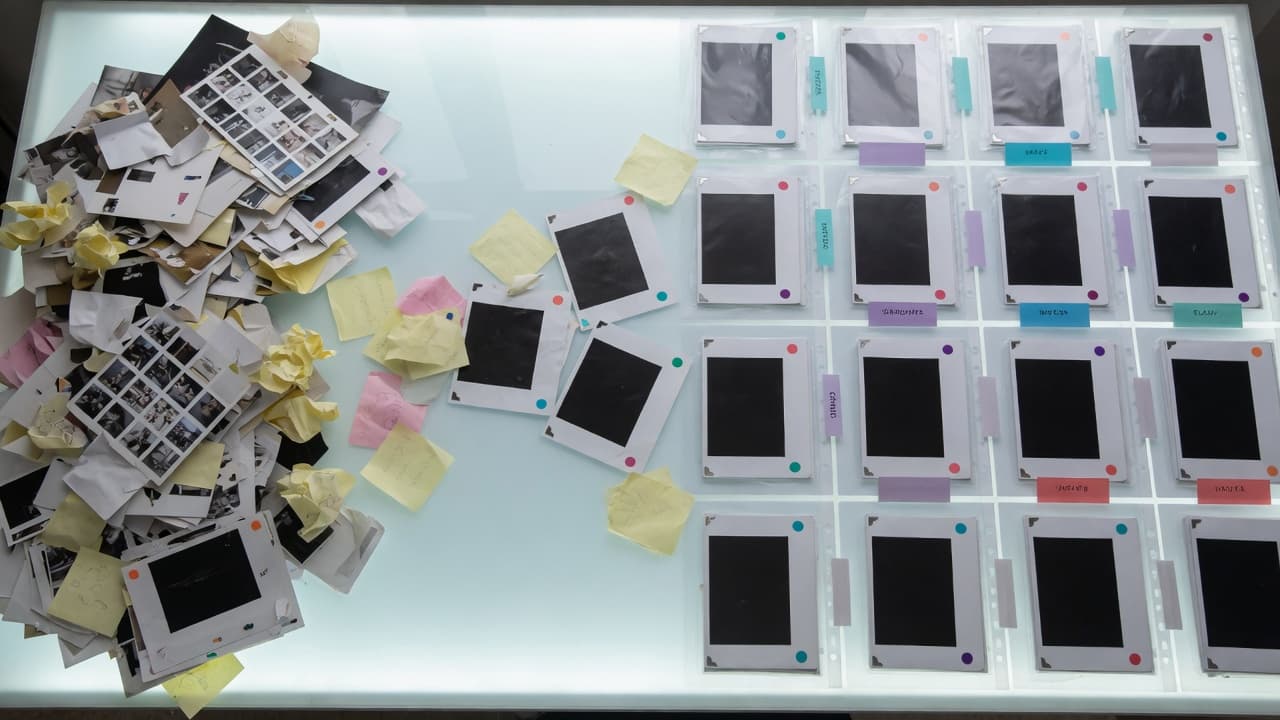
Digital asset management, DAM for short, refers to managing digital content such as images, videos, audio files, documents and graphics throughout its entire life cycle. A DAM is a central, usually cloud-based platform that enables you to store, organise, find and, above all, quickly share your digital assets securely.
What does a digital asset management system (DAM) do?
A modern digital asset management (DAM) solution offers a wide range of functions designed to manage and optimise digital assets efficiently.
The main features of a DAM solution include:
- Central storage and organisation: All digital assets are stored and organised in one central place. Users can easily find and manage assets using folders, categories, tags and metadata. Especially if not all assets have metadata, make sure that the system you use offers a folder structure like the one on your computer at home, so that the assets can still be found via the familiar folder structure.
- Metadata management: Extensive metadata can be added to and managed for every asset. Metadata makes it easier to search for, classify and identify assets. Ideally, the system you use allows batch processing of metadata. This makes tagging and captioning easier when several hundred records are involved.
- Search functions: Powerful search functions let users search for assets quickly and precisely. Searches can be run by metadata, tags, file types and other criteria.
- Versioning and revisions: DAM makes it possible to manage asset versions and revisions. Changes to assets can be tracked, and older versions can be restored when needed.
What are the benefits of a DAM solution?
A DAM solution brings a wide range of benefits that help companies and organisations make the best use of their digital assets and protect them:
Efficient management: Central storage and organisation make assets easily accessible and efficiently managed. Collaboration and teamwork: Teams can work together effectively via the DAM platform. Assets can easily be shared, commented on and given feedback. Improved control and security: Access rights can be controlled to ensure the security and confidentiality of assets. Optimised use of assets: Metadata and search functions improve how easily assets can be found and used. Companies can use their digital resources more effectively. Integration options: DAM solutions can be integrated seamlessly into other tools and systems, for example into CMS systems such as WordPress, Typo3 & Drupal or into Adobe design programs.
A DAM solution helps to optimise the entire life cycle of digital assets and adds value for companies and organisations that rely on managing their digital content efficiently.
Who uses DAM solutions?
DAM solutions are used by a wide range of organisations and professionals in various industries who need to manage, organise and use digital assets efficiently. The main users of DAM solutions include: • Companies of all sizes • Media and entertainment industry • Educational institutions • Healthcare • E-commerce • Retail • Creative freelancers and self-employed professionals Overall, organisations and individuals use DAM solutions to manage their digital assets more efficiently, improve collaboration, increase control over their content and make the best use of their valuable digital resources.
Conclusion
In a digital landscape shaped by the continuous creation and use of content, digital asset management is a strategic investment. Whether you are a marketing expert looking for creative assets or a company that needs to manage its content effectively and securely, DAM offers the solution to make the best use of your digital assets and protect them. Do you also have data that you want to manage easily and securely in the cloud in future? Then try the most innovative digital asset management system with OpenAI integration, free of charge and with no obligation, at www.vaulo.com