- Photography
System camera or DSLR?
If you want to know which type of camera suits you, our blog post gives you a few quick facts that …
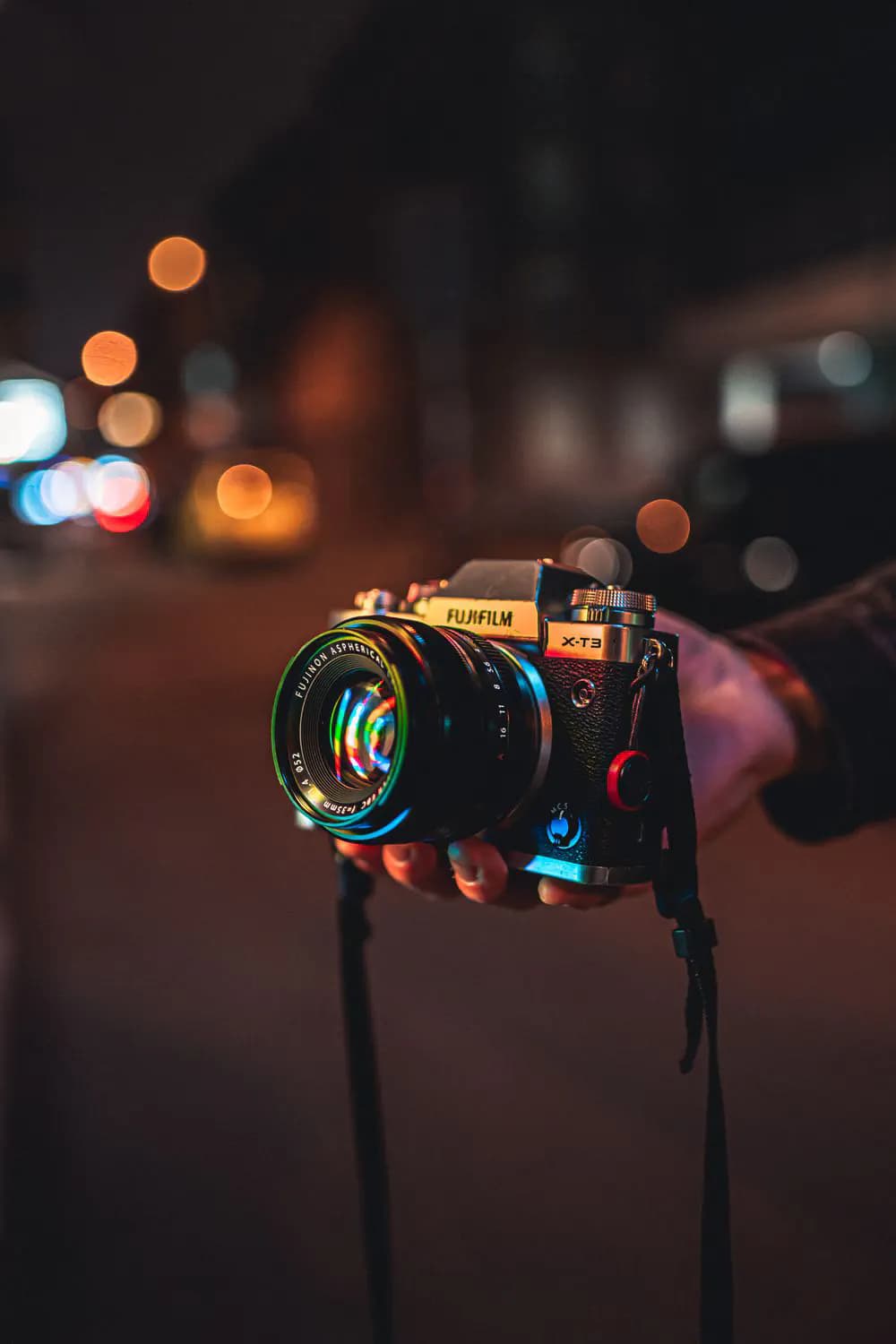
Archive post from 4 December 2022. It describes the state at that time.
If you want to know which type of camera suits you, here are a few quick facts to help you decide.
A single-lens reflex camera (DSLR = digital single lens reflex camera) has, as the name suggests, a mirror. When you press the shutter button, the mirror flips up and light falls onto the sensor. That is how the image is created.
A mirrorless system camera, often simply called a system camera (DSLM = digital single lens mirrorless camera), does without this mirror. It is therefore usually lighter and more compact than a DSLR of a comparable price range and quality. This is a particular advantage for anyone who likes to take their camera along when travelling.
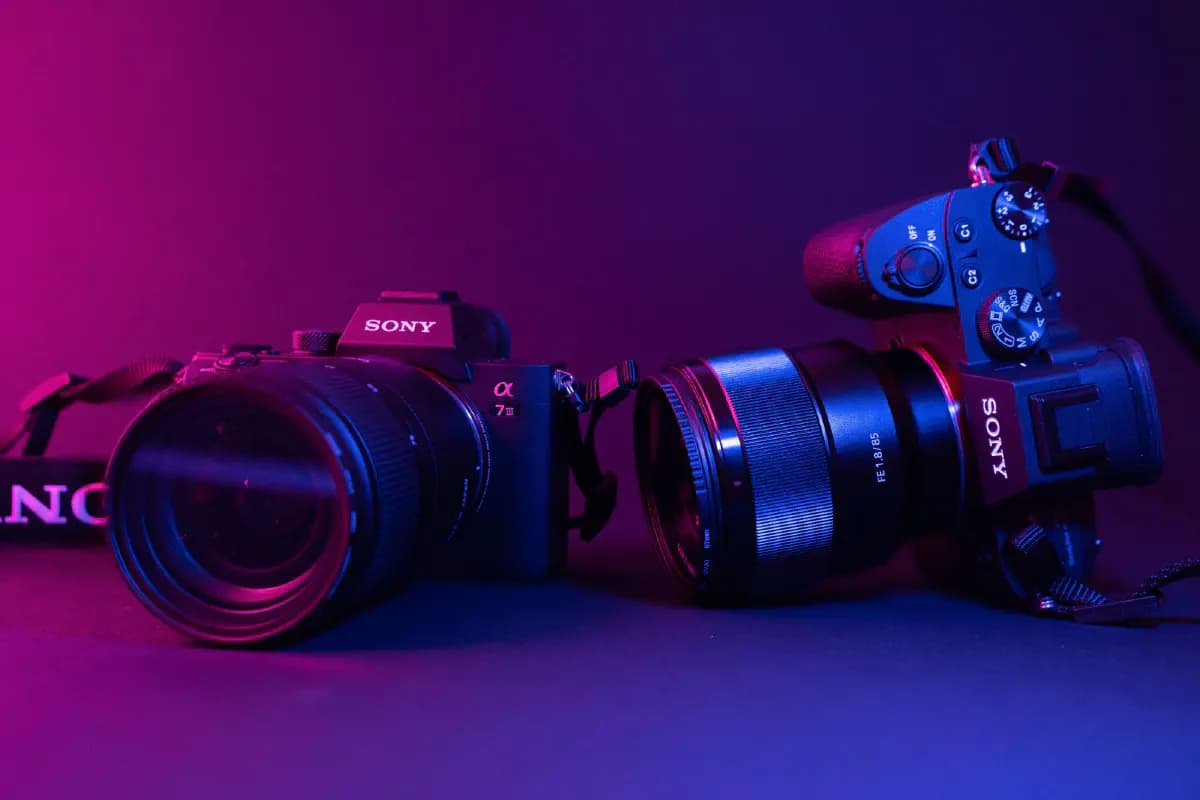
The biggest difference between the two camera types is probably the viewfinder. With a DSLR, you see the actual image via the mirror. Many professional photographers prefer this. For inexperienced photographers in particular, however, the electronic viewfinder, which shows the image on a small display, offers considerable advantages. Even without pressing the shutter, you can check the effect of settings such as ISO, exposure time or white balance, because they change the image in the viewfinder directly. Which type of viewfinder works better for you is something you have to find out for yourself. There is no right or wrong here.
A real plus of the mirrorless system camera is probably silent shooting. Since it has no mirror that has to flip out of the way when the shutter is released, you can take photos without drawing attention to yourself. And because people often unconsciously behave differently when they hear a camera nearby, this is a real advantage for capturing authentic images of a situation. This applies all the more to wedding photography, because nothing is more annoying than the endless “click-click-click” behind, beside or in front of the altar. For wildlife photographers who work close to their subject, too, the system camera is the camera of choice.
As far as autofocus is concerned, a good system camera today can focus just as quickly as a good DSLR. Differences arise, however, with burst shots of moving subjects or with longer shutter speeds. In both cases, the system camera plays to its strengths. Unlike with a DSLR, there is no mirror constantly flipping up and down, so there is less vibration in the body. With a DSLR, this vibration comes at the expense of image sharpness, even if only imperceptibly. The system camera therefore always allows longer handheld shutter speeds. Last but not least, a truly decisive point to consider before buying: battery life. And this is probably the biggest disadvantage of system cameras. The electronic viewfinder is a real power guzzler, so battery life is significantly shorter than with comparable DSLRs.
CONCLUSION: System cameras have taken an enormous step forward in recent years. Their biggest disadvantage, the short battery life, is more than compensated for by numerous advantages. Yet even among professionals there is no complete agreement. While the majority now shoot mirrorless, there are still a few professionals who do not want to part with the reflex system – precisely because of the viewfinder.
Tip
If you already use a system camera, you can save your images straight from the camera to image databases such as VAULO. That way you can be sure your images are stored in the cloud in a GDPR-compliant way, even if you lose your camera or your memory card. You can find out more here.